
The autumn of 2025 took me to Portugal and Spain, with a special focus on the Algarve and Andalucía. My journey began in Portugal’s capital, Lisbon. For my four-night stay in the city, I chose an Airbnb — I appreciated having more space and a kitchen when staying more than a few nights. I discovered an exceptional accommodation on Rua Augusta, complete with an elevator. Since this was my third visit to Lisbon, I sought to explore beyond the usual tourist spots. My trip included a side-trip to the coastal village of Cascais, visits to rooftop restaurants offering spectacular views, and excursions in search of craft breweries and hidden cafés. I also dined twice at Time Out Market Lisboa, which has become a popular destination — and in my view, it was absolutely worth the visit.
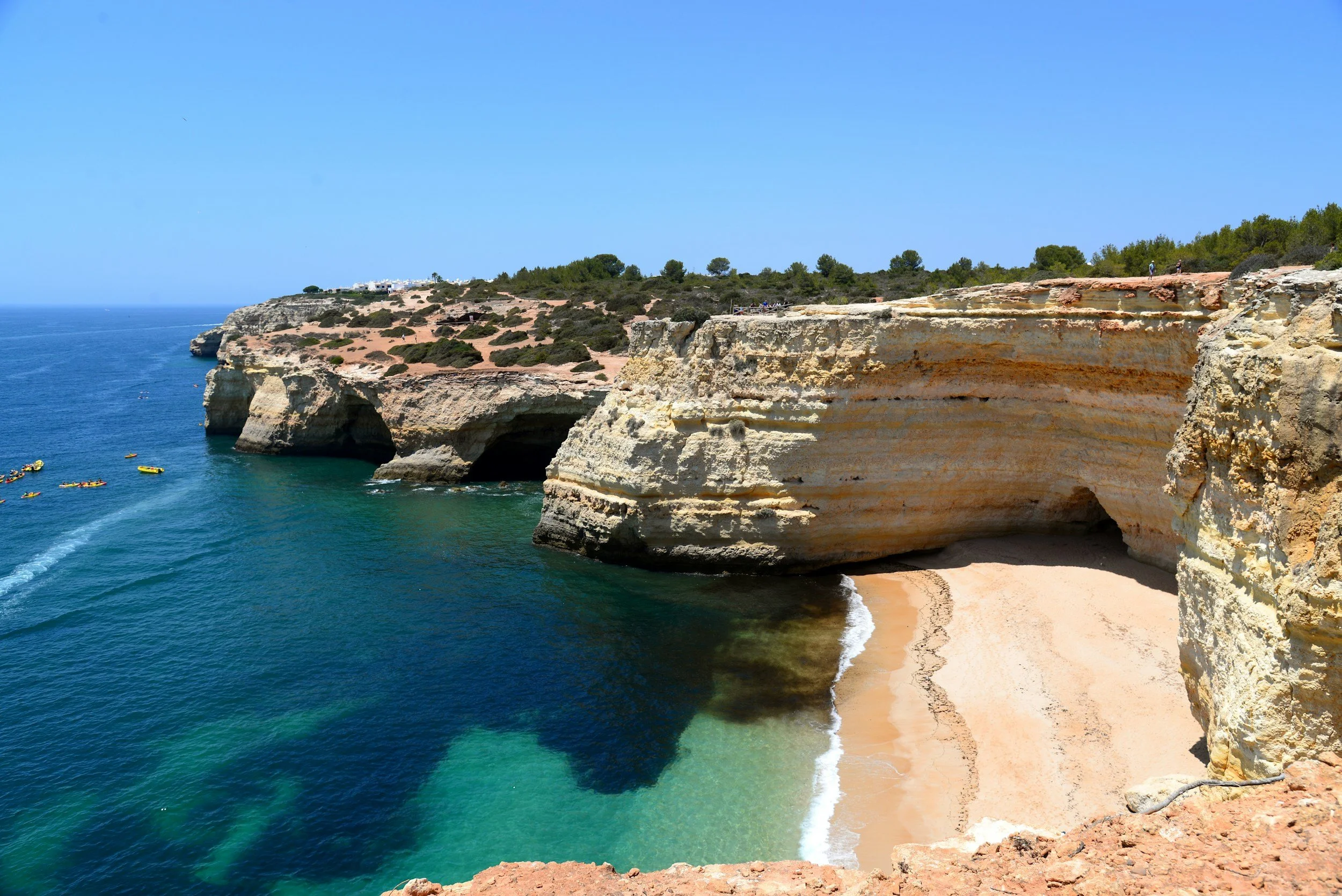
Algarve Coast
After leaving Lisbon, I traveled by local bus to the Algarve — my first visit to the region. I fell in love with the quiet village of Salema, which provided the perfect respite after the bustle of city life. I stayed in a family-run pension where they treated me exceptionally well, delivering a breakfast basket to my room each morning. From there I even took a short side-trip to Sagres — often considered the “end of Europe.”
In Lagos I enjoyed a magnificent cliffside and boardwalk hike to beaches and viewpoints. I treated myself to a superb hotel there, complete with a rooftop pool, a beautiful patio, and a restaurant with Michelin-star quality. My final stop was Tavira — a town with a relaxed, unhurried atmosphere and a vibrant community of local artisans. The highlight of Tavira was the nearby barrier island Ilha de Tavira, reachable by boat. The protected island offers pristine white-sand beaches, restaurants and bars — but no hotels — making it a peaceful retreat into nature.
I then moved on to Spain — to the vibrant city of Seville. I stayed in the Barrio Santa Cruz neighborhood, with my hotel nestled among its narrow “kissing‑lane” streets. I made sure to reserve a time slot to visit the Real Alcázar of Seville, then capped the evening with a tapas and tavernas food tour. The following day I explored the Triana neighborhood, relaxed at the AIRE Ancient Baths Sevilla, and later enjoyed a flamenco performance that night.
I had a whole month in Spain and visited Seville, Ronda, Malaga, Frigliana, Almeria and Granada. But the two places that stood out the most were Estepona and Nerja.
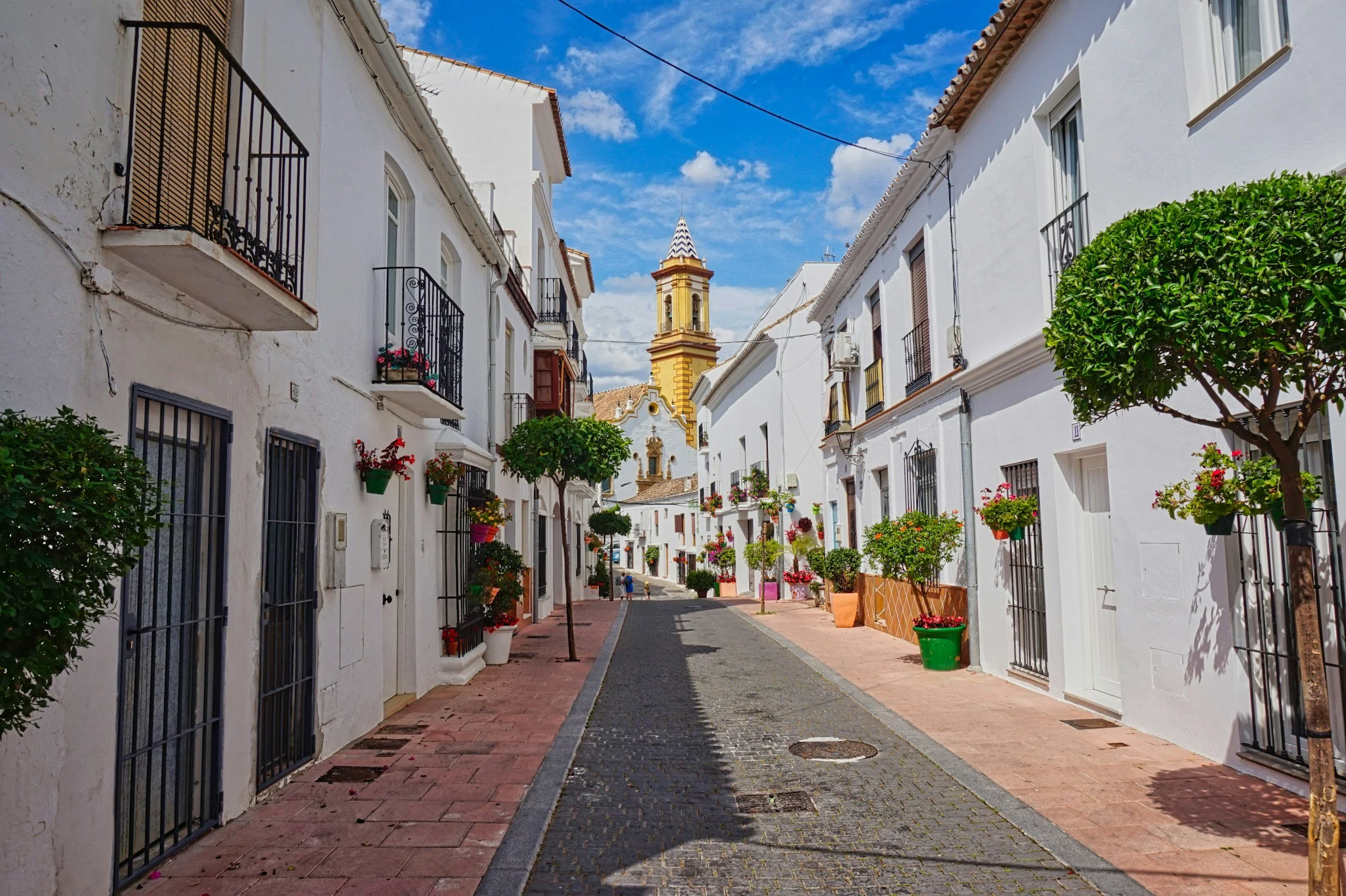
Streets of Estepona
Estepona is often called the “Garden of the Costa del Sol,” thanks to its flower‑filled old town and charming floral streets. The seafront promenade invites leisurely walks or bike rides, offering pleasant coastal views and the opportunity to stop for lunch along the way. I fell in love with the small hotel where I stayed; it surrounded a colorful central courtyard planted with flowers — the kind of cozy, neighborhood‑style lodging that feels deeply local. Each room was like a mini‑apartment and the setting immersed me in the everyday rhythm of the town rather than a tourist bubble.
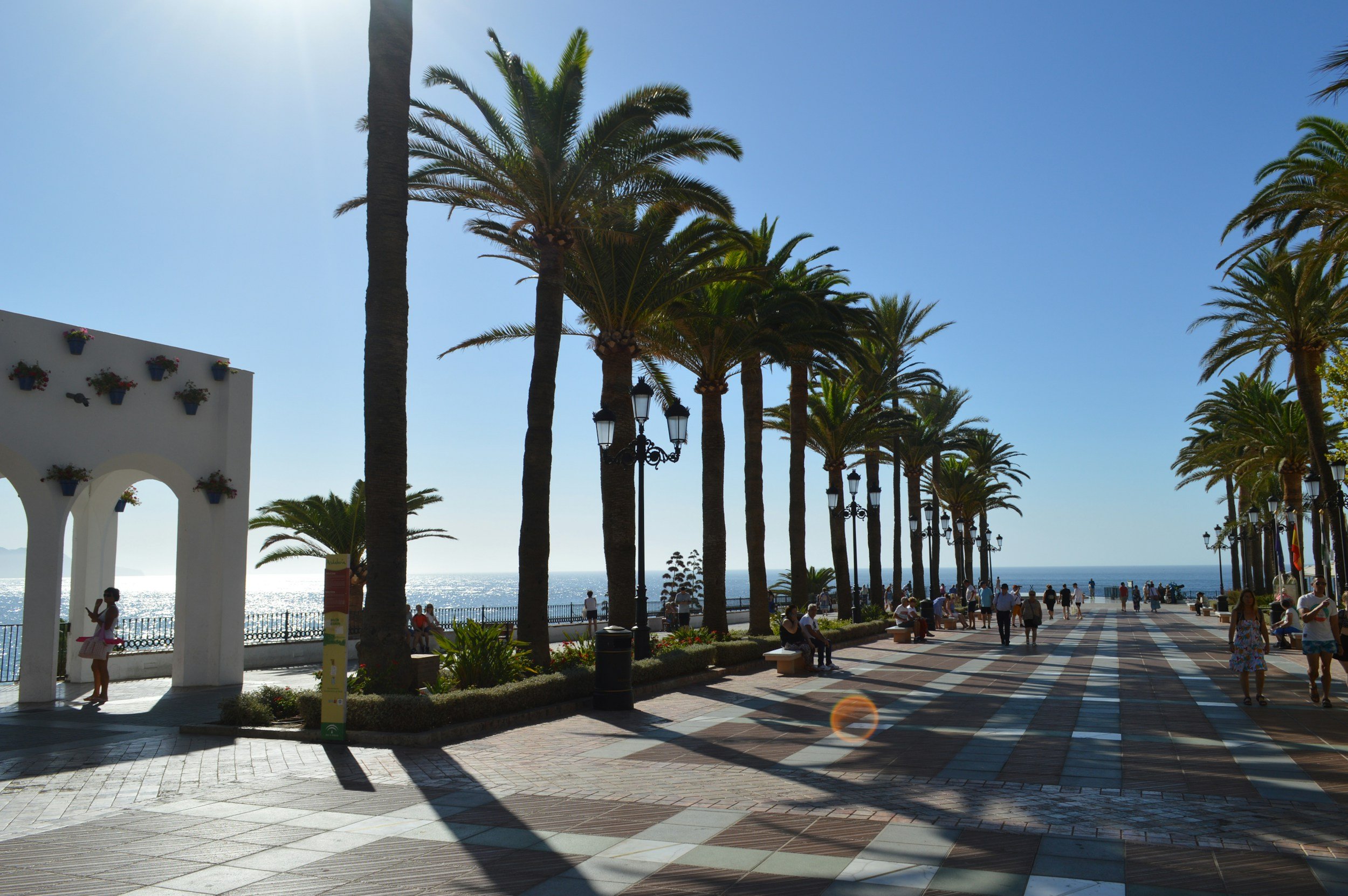
Balcon of Europe - Nerja
My other favorite discovery on this trip was the coastal town of Nerja, located just about an hour east of Málaga — making it very easy to reach from Spain’s third‑largest airport. The town offers everything I was hoping for: whitewashed buildings cascading toward the sea, a family-friendly local beach, narrow lanes lined with tapas and seafood restaurants, and the iconic Balcón de Europa — a spectacular seaside vantage point with sweeping Mediterranean views.
I also visited the nearby Caves of Nerja — just outside the town — a remarkable underground complex stretching for almost five kilometers, famous for its dramatic stalactites and stalagmites, and its prehistoric significance. Getting around is straightforward thanks to a reliable bus system serving Nerja and surrounding coastal towns.
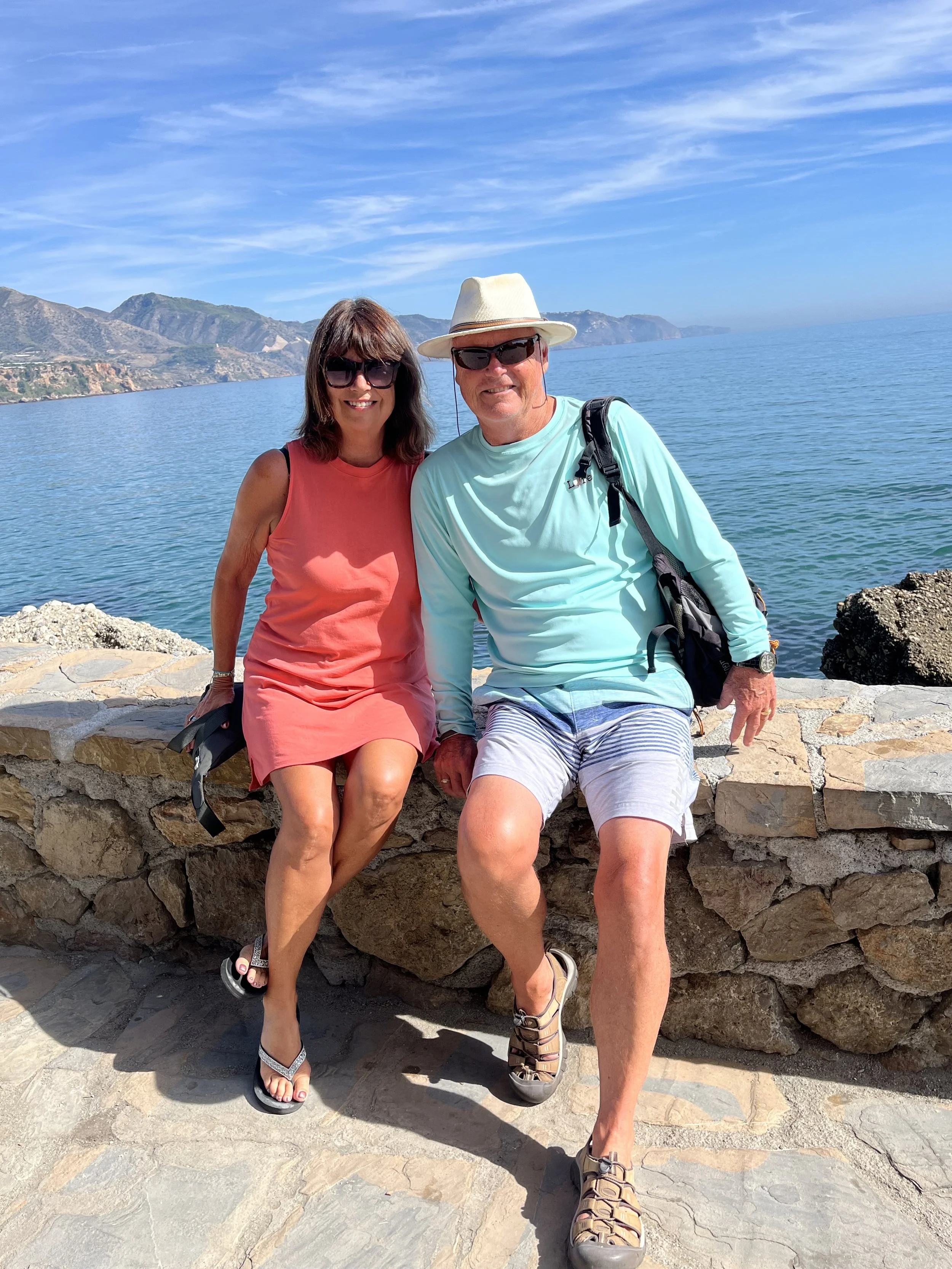
All told, Nerja was the perfect culmination of my journey — beautiful scenery, easy access, and a relaxed, charming vibe.
I’m already looking forward to returning someday.
